Why Is Lake Lucerne So Famous?
The real reasons Lake Lucerne became world-famous: the paddle-steamer era, the William Tell legend at the Rutli meadow and Tell's Chapel, and the Alpine backdrop that shaped Swiss tourism.
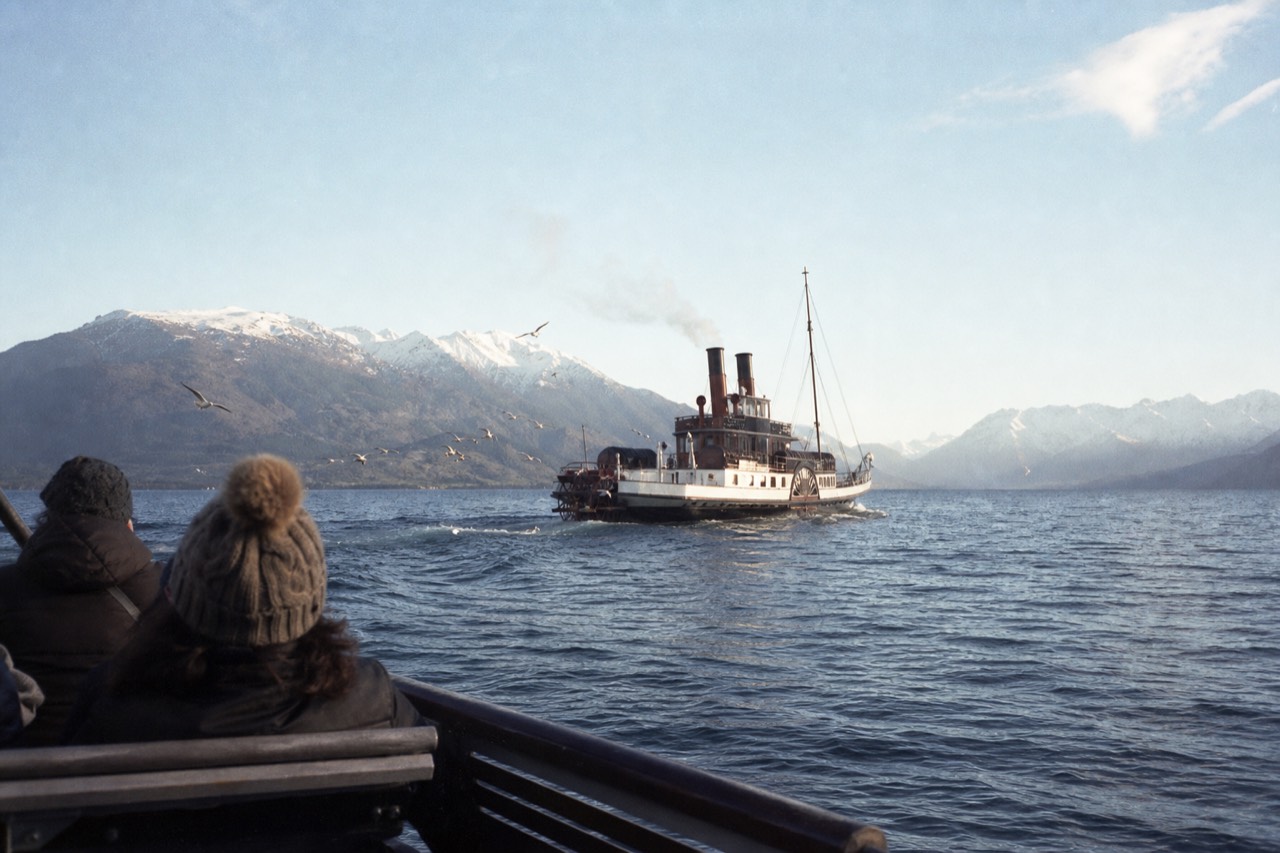
The lake the Swiss call the Vierwaldstättersee, the "Lake of the Four Forested Settlements," did not become famous by accident. It earned its reputation in layers, and the layers still show. The first is mechanical: this is where Swiss lake tourism was invented, on the decks of paddle steamers that have been running since the age of steam. The second is mythological: the shoreline is the physical setting of the William Tell story, the founding legend of Switzerland itself. The third is simply geological: a glacier-carved basin whose fjord-like arms push straight into the Alps, so the water and the mountains sit in the same frame wherever you stand.
Most visitors arrive knowing only the third layer. The postcard view. But the lake's fame is really a story about how a country learned to sell its own landscape, and this lake was the test site. The company that still runs the boats today, the Lake Lucerne Navigation Company (SGV), grew out of that first era and now operates a fleet of roughly 20 vessels, including historic paddle steamers, from its base at Werftestrasse 5 in Lucerne.
This article walks through the three reasons in order, and then gets practical: what you can still ride, see, and taste of that history today.
Why Is Lake Lucerne So Famous?
Lake Lucerne is famous because it is the birthplace of Swiss lake tourism, home to a fleet of historic paddle steamers that still sail, the legendary setting of the William Tell story at the Rutli meadow and Tell's Chapel, and a rare Alpine lake whose steep-sided arms put snow-capped mountains directly above the water.
Start with the steamers, because they came first in the fame timeline. Regular steam navigation on the lake began in the early nineteenth century, when the first steamship company on the Vierwaldstättersee started running. That is early. Railways had barely reached the Alps. The steamers were, functionally, the first public transport into the heart of the Swiss mountains, and they turned a lake that had been a working cargo corridor into a destination. British travelers in particular came for the spectacle, wrote about it, and exported the lake's reputation to the rest of Europe.
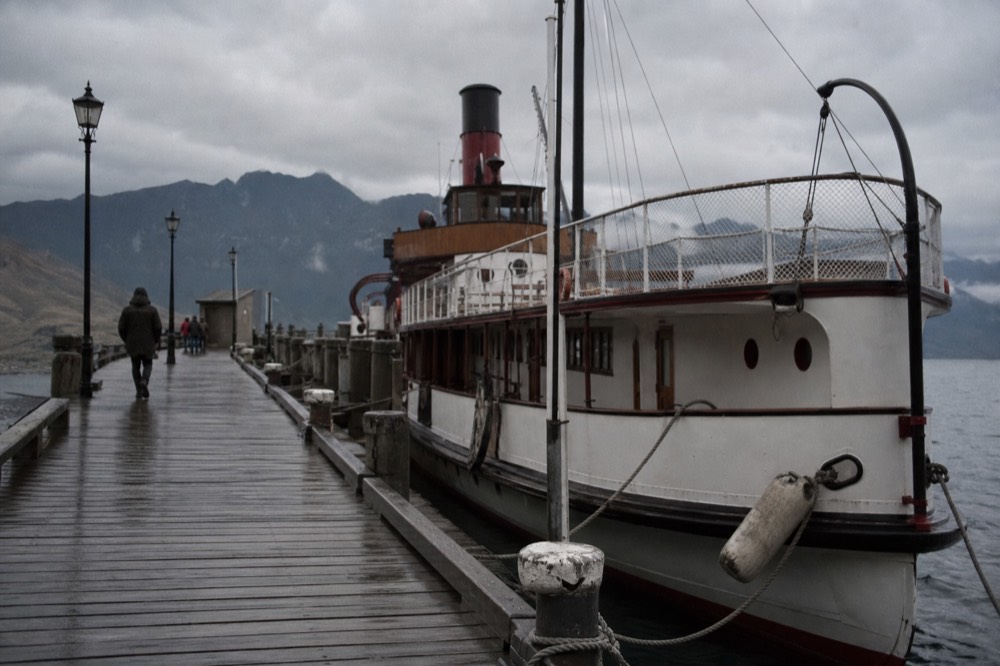
The company that consolidated those early operators eventually became SGV, and the striking thing is continuity: the same operator, the same central pier opposite Lucerne's train station, and several vessels whose hulls date to the nineteenth and early twentieth centuries. The paddle steamer Gallia, for instance, is the named vessel for the Legends of Lake Lucerne dinner experience, a 5-course cruise aboard a ship with a genuine steam-era pedigree. Few lakes anywhere can offer that combination of scenery and working industrial history.
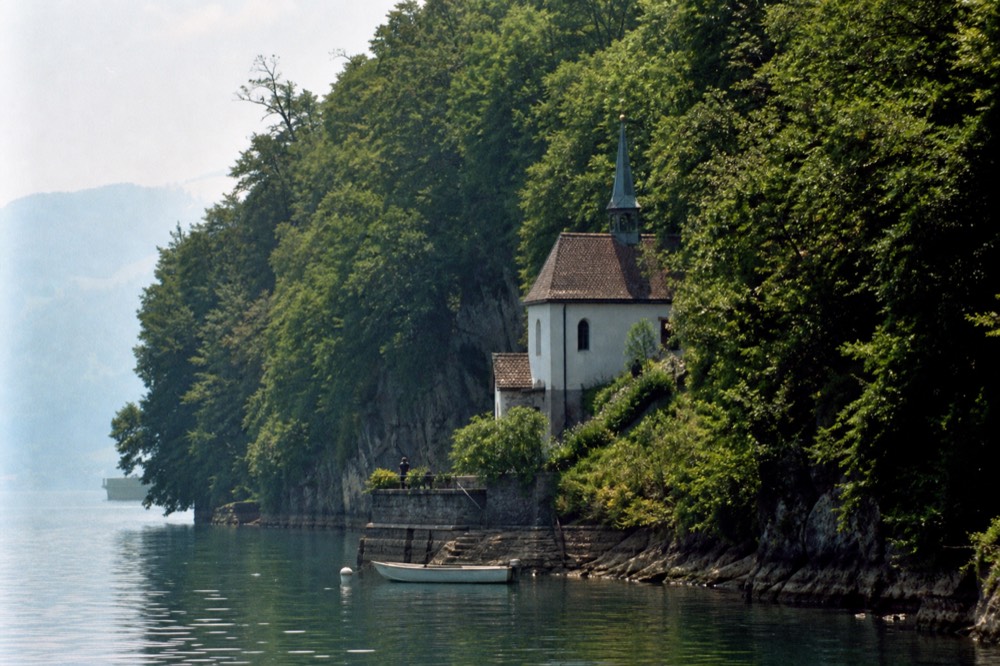
The William Tell layer sits on top of that. The lake's southern arm, the Urnersee, is the landscape of the Swiss founding myth: the oath at the Rutli meadow, Tell's leap ashore at Tell's Chapel near Sisikon, the whole story of resistance to the Habsburgs that Swiss schoolchildren learn and Swiss national identity leans on. When the country needed a founding narrative in the nineteenth century, this lake supplied the geography. A scheduled cruise from Brunnen to Fluelen passes both the Rutli meadow and Tell's Chapel on the water, which is about as close as you can get to sailing through a national legend.
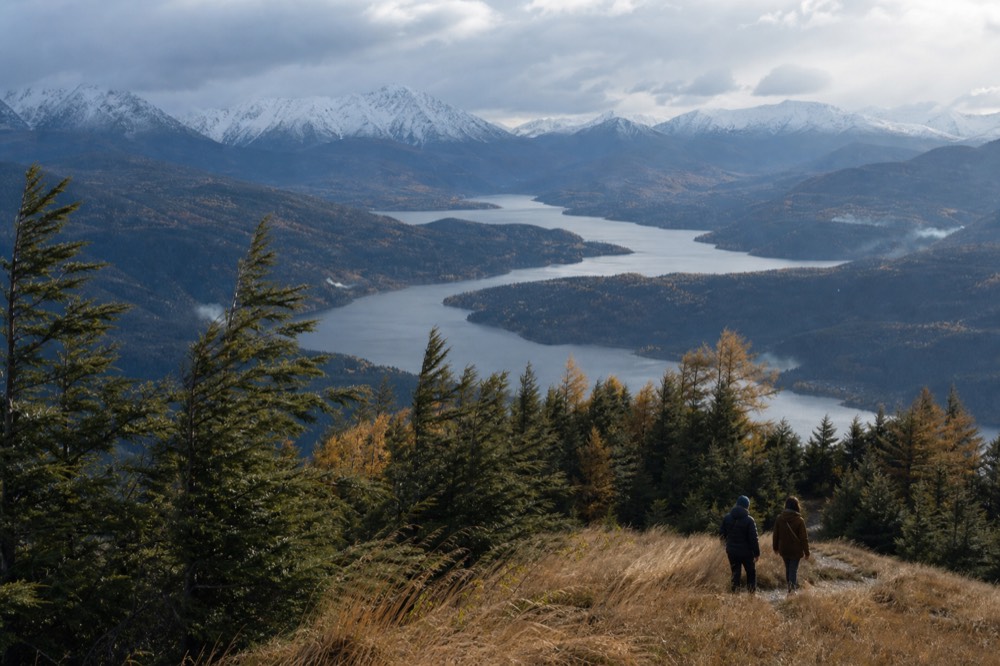
The Alpine setting is the layer everyone photographs. The lake is what geographers call a fjord lake: a glacier carved deep, steep-sided valleys below today's waterline, so instead of one broad bowl you get a branching, irregular body of water framed by cliffs and peaks, including Mount Pilatus and Mount Rigi at either side of Lucerne itself. The famous view from the city, lake, steamboat, and mountain in one composition, is the image that sold Switzerland to the world.
If the history is what draws you, these three experiences put you directly inside it:
What does the Rutli meadow and Tell's Chapel actually have to do with the lake?
The Rutli meadow and Tell's Chapel sit directly on Lake Lucerne's Urnersee arm, and they are the two anchor sites of the William Tell founding legend: the Rutli meadow is where the three founding cantons swore the oath of alliance, and Tell's Chapel marks the spot where Tell escaped his captors by leaping ashore.
The legend, in its short form: William Tell, a marksman from Uri, refused to bow to the hat of the Habsburg bailiff Gessler, was forced to shoot an apple off his own son's head, was arrested anyway, and escaped by jumping from the boat transporting him across the lake during a storm, at the spot where Tell's Chapel (the Tellskapelle) now stands near Sisikon. The Rutli meadow (the Rutli) is the separate, quieter site above the lake's shore where, in the same story-cycle, delegates of Uri, Schwyz, and Unterwalden swore the oath that founded the Swiss Confederation.
Whatever a historian makes of the tale's literal truth, and the scholarly consensus is that it is legend rather than documented event, the landscape is real and fixed. The Rutli meadow is a protected national site. Tell's Chapel is a real chapel on a ledge above the water, reachable on foot or seen from the deck of a passing boat. In the nineteenth century, as Switzerland built a modern national identity, these two spots became pilgrimage sites, and the lake's steamers became the practical way to reach them. The fame of the lake and the fame of the legend fed each other.
That is why the Brunnen to Fluelen cruise leg matters more than its modest 1.5-hour duration suggests. It is the one scheduled route that threads the legend's geography: out of Brunnen, past the Rutli meadow on the eastern shore, past Tell's Chapel near Sisikon, and up the Urnersee to Fluelen, at the lake's southernmost point. The fare runs from $54 per person (checked September 2026), and the route is the reason to choose it over a round trip that stays in the broader central basin.
For planning, the SGV's own 2026/27 schedule runs in three bands: a full summer timetable from 23 May to 6 September 2026, an autumn transition timetable from 7 September to 18 October 2026, and a reduced winter timetable from 19 October 2026 to 16 April 2027. The company's stated position, quoted through luzern.com's FAQ, is that the boats run "all year round and in all weathers," though winter means fewer sailings and thinner route coverage. If the Tell sites are your goal, aim for the summer or autumn bands.
Why is the paddle-steamer era such a big part of the lake's identity?
The paddle-steamer era is central to the lake's identity because steam navigation began here in the early nineteenth century, making this lake the cradle of Swiss tourism, and several of the original steam-era vessels are not museum pieces but still in scheduled and dinner service today.
There is a difference between a lake that has old boats and a lake whose entire tourism economy was built by old boats. Lake Lucerne is the second kind. Before the steamers, the lake was a freight and fishing corridor with rough road access. Once steam navigation arrived, it became the gateway to the Alps for ordinary travelers, and the towns around it, Lucerne above all, grew into resort cities on the strength of steam traffic. The grand hotels of the lake shore exist because the boats existed first.
The fleet that resulted is unusually intact. SGV operates around 20 vessels, and among them are historic paddle steamers whose names, Gallia among them, carry more than a century of service. The Gallia is the named ship for the Legends of Lake Lucerne experience, the 5-course dinner cruise that runs only from 15 May to 15 September 2026, aboard a vessel that is itself part of the story the cruise tells. That experience is rated 5.0 across a small sample of 3 reviews (checked September 2026), a rating worth noting but too thin a sample to treat as settled reputation, and it is priced from $682 per person (checked September 2026), with current departure dates shown on the live booking page.
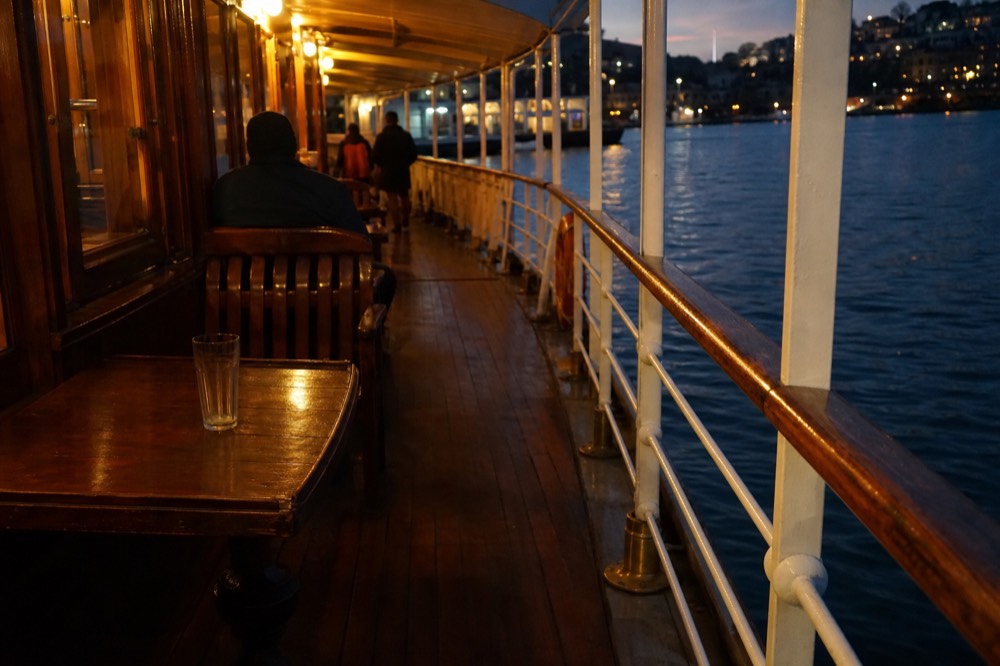
For a lighter and much cheaper taste of the same water, the 1-hour options bracket the lake's two eras. The Scenic Cruise on the Panorama-Yacht Saphir, rated 4.6 across 1,961 reviews (checked September 2026) and priced from $41 per person (checked September 2026), represents the modern fleet: a yacht-style vessel built for the view. The 1-Hour Discovery Cruise, from $31 per person (checked September 2026), is the simple orientation lap. Both leave from the central Lucerne piers, with the panorama product departing specifically from Pier 7 at Schweizerhofquai.
One honest footnote on prices: SGV's own webshop sells the direct-book fare for the 1-hour panorama cruise from CHF 15.00, while the resold packaged versions of comparable 1-hour products run $31 to $37 (checked September 2026). The packaged listings cost more than walk-up direct fares; that is the trade-off for guaranteed spots and bundled terms, not a discrepancy to hide. Our companion guide on Lake Lucerne cruise timetables, prices, and passes breaks this down in detail, including which passes ride free.
Is the Alpine backdrop really different from other Swiss lakes?
Yes: unlike broad-bowl lakes such as Thun or Brienz, Lake Lucerne is a branching fjord lake whose glacier-carved arms cut directly into the Alps, so mountains like Pilatus and Rigi rise almost straight from the shoreline and appear in the same frame as the water from almost any vantage point.
The geology is the quiet engine of the fame. A glacier that filled and over-deepened a valley system left behind a lake with a wildly irregular shape: several long, narrow arms, the Urnersee, the Gersauersee, the Alpnachersee, and the Kussnachersee among them, radiating from a central basin. The practical consequence is that there is no "far shore" in most views. Cliffs and peaks begin where the water ends. Mount Pilatus towers over Lucerne's southwestern flank; Mount Rigi, the mountain once nicknamed the "Queen of the Mountains" by the same Victorian travelers the steamers brought, sits on the opposite side.
That composition, town, lake, steamboat, mountain, is the image that made Swiss tourism recognizable worldwide. It is also why the lake keeps working as a travel hub: the same geography that makes the views dramatic makes the water the fastest route between valley towns. Journey times from Lucerne run about 45 minutes to Weggis, about 55 minutes to Vitznau, about 2 hours 10 minutes to Brunnen, and about 2 hours 45 minutes to Fluelen. The boats are not a sightseeing add-on here; they are the transport spine.
The mountain-water pairing also explains the lake's most famous combined itinerary, the Golden Round Trip to Pilatus: boat across to Alpnachstad from Pier 2, the world's steepest cogwheel railway up, and a cable car down the other side. The boat leg is not incidental. It is the historical entry route to the mountain, the way travelers arrived before roads. Our guide to Mount Pilatus from Lucerne covers the full loop, with the combined cable car, cogwheel train, and boat trip priced from $147 per person (checked September 2026).
How do you actually experience the lake's history today?
Ride a scheduled boat rather than only looking at the lake, pick a route that touches the legend sites, and if the budget allows, book a dinner aboard a historic paddle steamer, since all three layers of the lake's fame, steamers, Tell legend, and Alpine setting, can be experienced on the water rather than from the shore.
The simplest framing for a first visit: choose your layer. If the steamer era is the draw, the Legends dinner cruise aboard the Gallia is the deepest immersion, and the Saphir scenic cruise is the affordable modern-fleet alternative. If the Tell legend is the draw, the Brunnen to Fluelen leg is the route, and it can be combined with a visit to the Rutli meadow itself. If the Alpine setting is the draw, any cruise that leaves the central basin for one of the narrow arms will deliver the fjord-lake effect within minutes.
This site, Boat Cruises Lake Lucerne, exists to sort exactly these choices, and a few planning facts do most of the work. The table below compresses them.
| What you want | Best pick | Time | Price (checked September 2026) | Notes |
|---|---|---|---|---|
| Historic steamer, full dinner | Legends of Lake Lucerne 5-course steamboat cruise | ~5 hours | from $682 per person (checked September 2026) | Sails 15 May-15 Sept 2026 only; rated 5.0 across 3 reviews |
| The Tell legend route | Brunnen to Fluelen round trip cruise | ~1.5 hours | from $54 per person (checked September 2026) | Passes Rutli meadow and Tell's Chapel |
| Modern fleet, classic view | Panorama-Yacht Saphir scenic cruise | ~1 hour | from $41 per person | Rated 4.6 across 1,961 reviews |
| Cheapest orientation lap | 1-Hour Discovery Cruise | ~1 hour | from $31 per person (checked September 2026) | Central Lucerne piers |
| Mountain plus water | Mt. Pilatus Golden Round Trip | ~half day | from $147 per person | Boat leg departs Pier 2, Alpnachstad |
Two money facts worth knowing before you book. First, pass holders ride free: the Swiss Travel Pass, the Swiss GA, the Lucerne Travel Pass, and the Tell-Pass all cover SGV boats, and children aged 6 to 16 ride at half fare with under-6s typically free. If you hold any of those passes, the scheduled cruises cost you nothing extra, and only the special culinary experiences are worth paying for separately. Second, on cancellations: no separate online cancellation or refund policy page could be located on SGV's own site, so check the individual listing's stated cancellation terms before booking rather than assuming a site-wide policy.
One more texture fact for food-minded travelers: beyond the bookable experiences, SGV's own program includes a daily lunch cruise, a Sunday brunch buffet cruise, a Sunday breakfast cruise through 18 October, and themed Burger and Fajita-Boat sailings. These are sold through the operator's own channels rather than the travel listings, so check the official lakelucerne.ch site if a meal on the water matters more to you than a specific historic vessel.
The lake's fame, in the end, is unusually well earned. It has the machinery of history still running, a legend with real geography, and a setting that no other Swiss lake quite replicates. The layers are still visible from the deck of a boat, which is, fittingly, where the whole thing began.
If you are weighing the lake against other Swiss water experiences, the honest verdict in is the Lake Lucerne cruise worth it goes deeper on value.
Lake Lucerne is famous for its still-sailing historic paddle steamers, its role as the birthplace of Swiss lake tourism, the William Tell legend anchored at the Rutli meadow and Tell's Chapel on the Urnersee, and a fjord-like Alpine setting where mountains such as Pilatus and Rigi rise directly above the water.
Common questions about why Lake Lucerne is famous
Why Is Lake Lucerne So Famous?
It is famous for three stacked reasons: it is the birthplace of Swiss lake tourism, with historic paddle steamers still sailing; its shores are the setting of the William Tell founding legend at the Rutli meadow and Tell's Chapel; and its fjord-like glacier-carved arms put mountains like Pilatus and Rigi directly above the water.
Can you see the Rutli meadow and Tell's Chapel from a boat?
Yes. The cruise leg from Brunnen to Fluelen on the Urnersee arm passes both the Rutli meadow on the eastern shore and Tell's Chapel near Sisikon. The round trip runs about 1.5 hours, from $54 per person (checked September 2026).
Are the historic paddle steamers still running?
Yes. SGV operates a fleet of around 20 vessels including historic paddle steamers, and the steamer Gallia is the named vessel for the Legends of Lake Lucerne 5-course dinner cruise, which sails 15 May to 15 September 2026.
Do the Lake Lucerne boats run year-round?
Yes. The operator's stated position is that boats run "all year round and in all weathers," though the winter timetable from 19 October 2026 to 16 April 2027 means fewer sailings and reduced route coverage compared with the full summer timetable.
Does a Swiss Travel Pass cover the lake cruises?
Yes. The Swiss Travel Pass, the Swiss GA, the Lucerne Travel Pass, and the Tell-Pass all carry free travel on SGV boats. Children aged 6 to 16 ride at half fare, and under-6s typically ride free.