Mount Pilatus From Lucerne: Cable Car, Cogwheel Train and Cruise Options Compared
Pilatus towers over Lucerne's southwestern shore, and three different transport systems, a boat, a cable car and the world's steepest cogwheel railway, connect the city to its summit.
Short answer
The classic Pilatus day from Lucerne is the Golden Round Trip: boat across the lake to Alpnachstad, the cogwheel railway up, and a cable car back down to Kriens, from $147 per person (checked September 2026). The full cable car-and-cogwheel combination with a lake cruise runs from $203 per person (checked September 2026) and takes a full day.
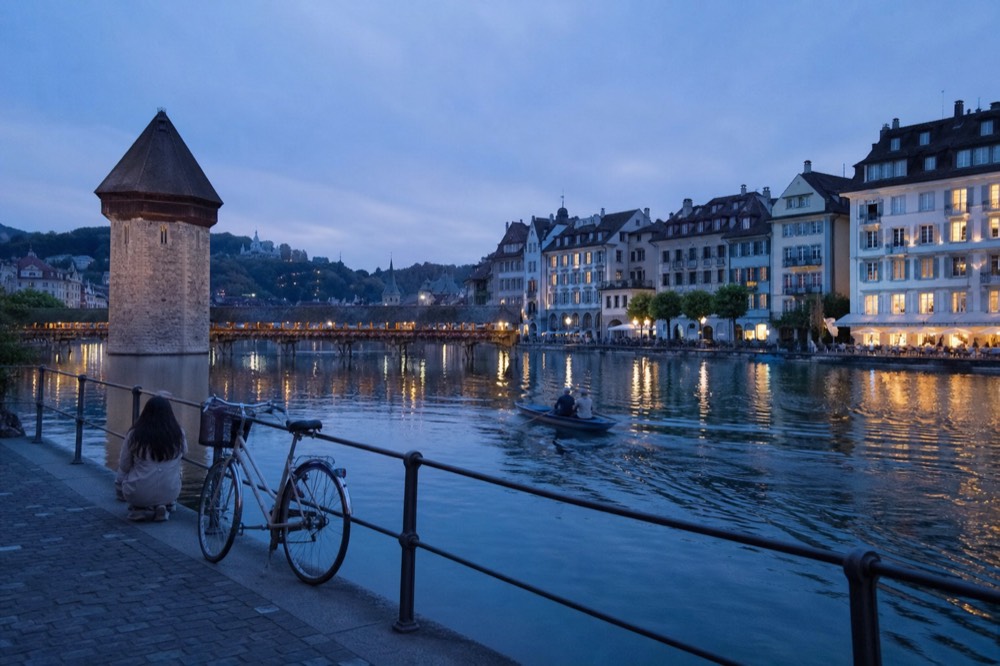
The boat leaves Lucerne's Bahnhofquai, crosses a corner of the lake the locals still call the Waldstättersee, and deposits you at Alpnachstad, the Pilatus rail and cable-car connection point. From that single pier you can board a railway that climbs the steepest gradient of any cogwheel line on the planet, and reach the summit plateau of Pilatus before lunch. This is the mountain Lucerne residents point at when the clouds part, and the logistics of getting up it are genuinely interesting: three separate transport modes, two of them record-holding, linked by a lake crossing. This guide compares them all, prices them with real figures, and shows how to bolt a Lake Lucerne cruise onto either Pilatus product so the day works as one loop rather than two separate tickets.
How do you get from Lucerne to Mount Pilatus?
You reach Pilatus from Lucerne by one of three connected systems: a scheduled boat across the lake to Alpnachstad, the cogwheel railway from Alpnachstad to the summit, or cable cars from Kriens on the city's western edge, and the two bookable Pilatus day trips stitch these together in different orders. There is no road to the top and no bus substitute. The mountain is deliberately car-free above its mid stations, which is part of why the journey feels like an attraction in itself rather than a transfer.
The geography explains the options. Pilatus sits southwest of the city, hemming in the lake's southwestern arm. Alpnachstad, at the foot of the cogwheel line, is a lake pier first and a rail station second, and SGV, the Lake Lucerne Navigation Company, serves it from Lucerne's Pier 2. Kriens, at the foot of the cable car side, is a short bus or tram ride from central Lucerne and needs no boat at all. So the practical fork is simple: arrive by water and leave by air, or the reverse.
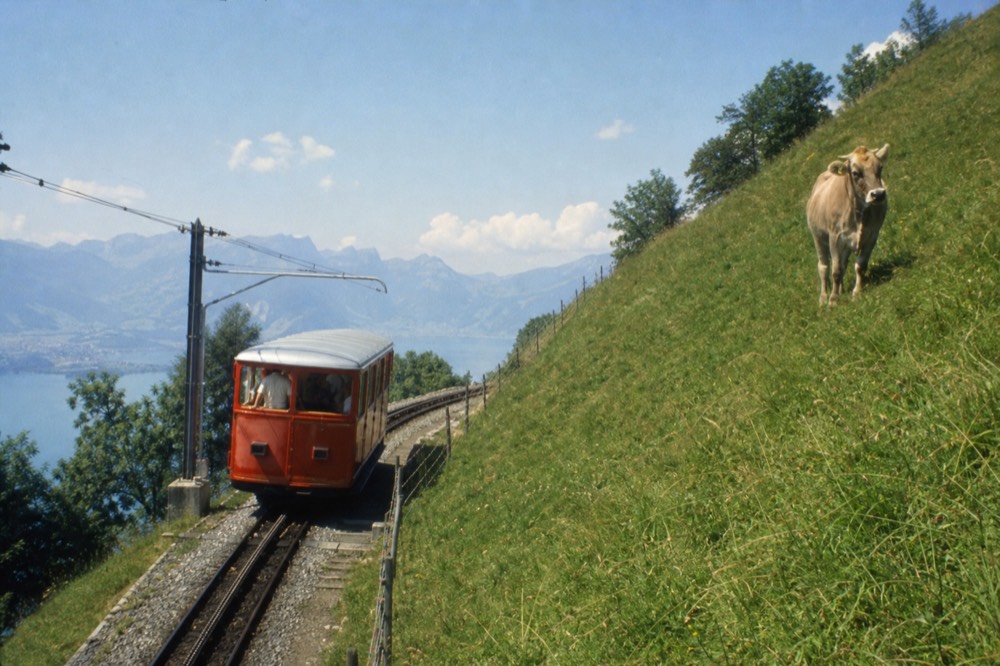
The Golden Round Trip, the route Mark Twain helped make famous when he climbed Pilatus in the nineteenth century, is the version most visitors mean when they say "Pilatus day": boat out, cogwheel up, cable car down. The two bookable products from Lucerne package the same mountain differently. One is a half-day Golden Round Trip format from $147 per person (checked September 2026). The other is a full-day version from $203 per person (checked September 2026) that adds the cable car and cogwheel train in both directions plus the lake cruise leg, and the operator notes the cruise leg runs through the 2026/27 season. For a wider look at how the lake's timetables and passes fit together, see our Lake Lucerne cruise timetable and prices guide.
What does the Golden Round Trip include?
The Golden Round Trip includes the boat from Lucerne to Alpnachstad, the Pilatus Railway to the summit, the descent by aerial cable car and panorama gondola to Kriens, and the return to Lucerne, and it is sold from $147 per person as a half-day product (checked September 2026). That price covers the mountain's two headline engineering feats plus the lake crossing, which is why it remains the reference route after well over a century of operation.
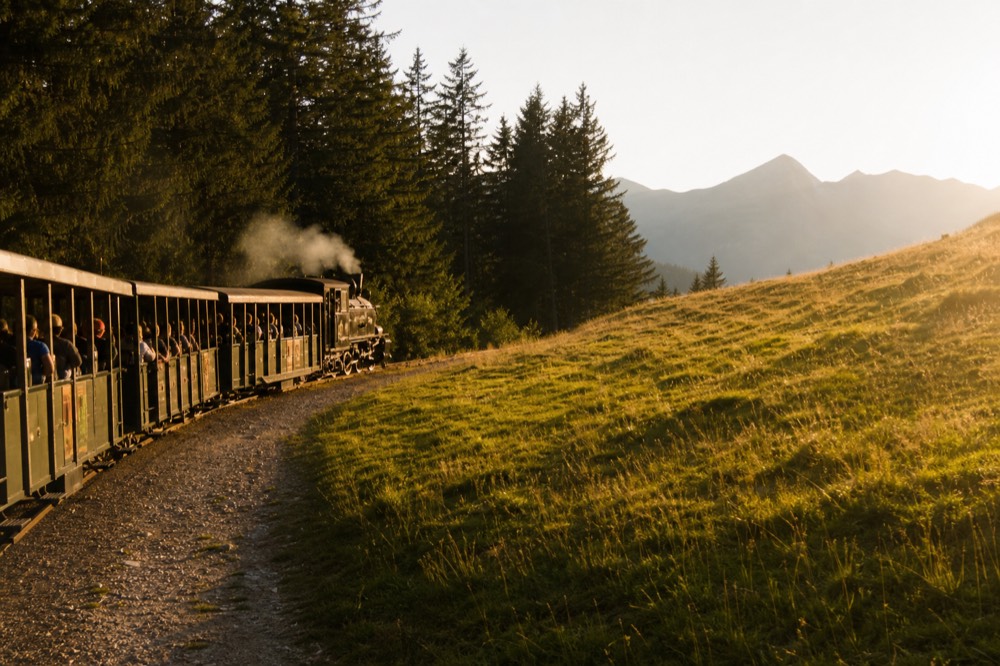
The Pilatus Railway is the record holder: no other cogwheel railway in the world climbs as steeply. The descent side is no afterthought either. The Fräkmüntegg aerial cable car swings down to Kriens in two stages, and on clear days the view takes in the lake, the city and, on the very best days, a faint outline of the Alps' high giants on the horizon. The summit itself offers a short ridge walk, viewing platforms, a hotel and a couple of restaurants, plus the optional summer toboggan run at Fräkmüntegg if you break the journey there.
Timing matters more than most first-time visitors expect. The full summer timetable on the lake runs 23 May to 6 September 2026, with an autumn transition timetable 7 September to 18 October 2026 and a reduced winter service after that, and the mountain's own cable car and railway schedules tighten in the shoulder months. A half-day Golden Round Trip is realistic between late May and mid-October; outside that window you are into partial operations, and the boat leg in particular thins out. If the mountain is your priority rather than the boat, our piece "is it worth going to Mount Pilatus" weighs the summit experience against the effort and cost.
How much does a Mount Pilatus trip from Lucerne cost?
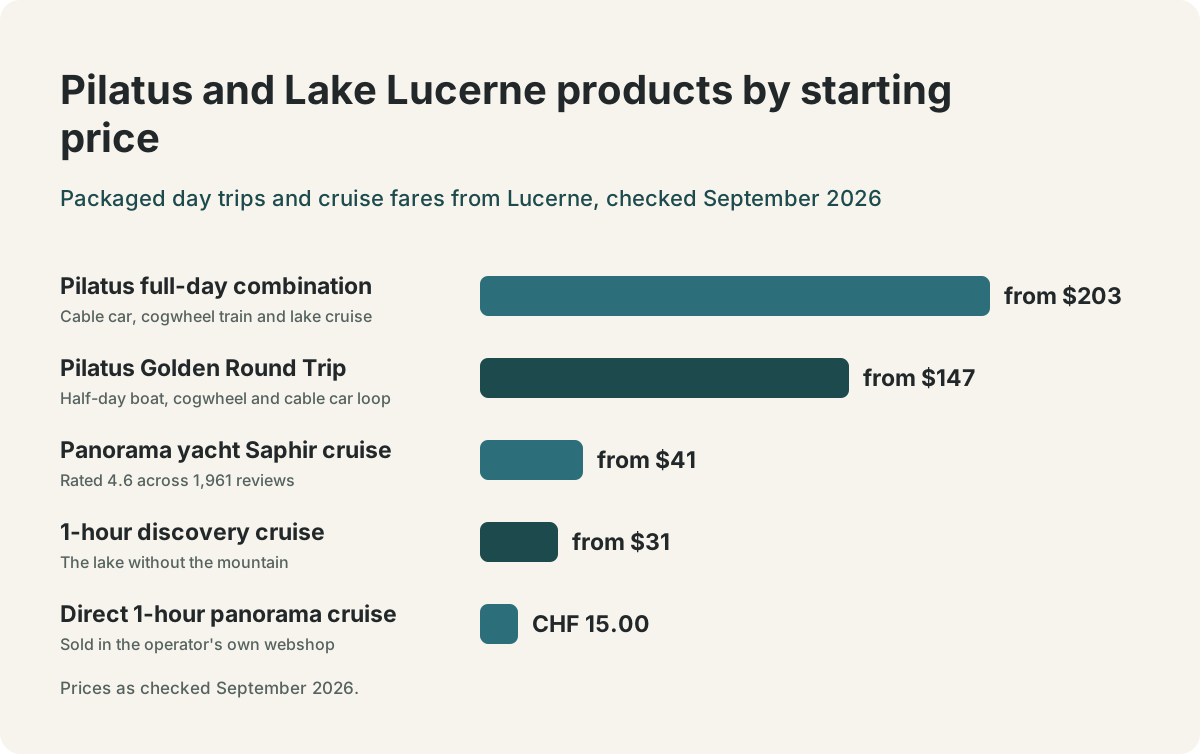
The two bookable Pilatus day trips from Lucerne cost from $147 per person for the half-day Golden Round Trip format and from $203 per person for the full-day cable car, cogwheel train and lake cruise combination (checked September 2026), while a pure lake cruise without the mountain starts from $31 per person (checked September 2026). Those are the packaged prices; the components behave differently if you buy them separately, and the gaps are worth understanding before you commit.
Here is how the real products on the roster compare, with the volatile figures tagged:
| Product | Duration | Price | Notes |
|---|---|---|---|
| Mt. Pilatus cable car, cogwheel train and lake cruise from Lucerne | Full day | from $203 per person (checked September 2026) | Marked "Likely to sell out" on the live listing; cruise leg runs through the 2026/27 season |
| Mt. Pilatus Golden Round Trip from Lucerne | Half day | from $147 per person (checked September 2026) | Boat, cogwheel railway and cable car in the classic loop |
| Lake Lucerne 1-hour discovery cruise | ~1 hour | from $31 per person (checked September 2026) | The lake without the mountain |
| Scenic cruise on the panorama yacht Saphir | ~1 hour | from $41 per person, rated 4.6 across 1,961 reviews (checked September 2026) | A glassed-in yacht alternative if the weather turns |
One honest nuance from the operator side: SGV's own webshop sells the direct 1-hour panorama cruise fare from CHF 15.00, while comparable resold one-hour packages run $31 to $37 (checked September 2026). The packaged products cost more than walk-up lake fares because they bundle convenience and, in the Pilatus cases, the mountain lifts. That is not a discrepancy to hide; it is the difference between a ferry ticket and a stitched-together day trip.
Cable car or cogwheel train: which side of Pilatus is better?
The cogwheel railway from Alpnachstad is the more spectacular climb and the one most visitors remember, while the cable car side from Kriens is faster, better in poor visibility, and the one you will likely use for the descent, so the honest answer is to ride both, one in each direction. Choosing only one means choosing between engineering history and speed.
The railway's reputation explains itself. The steepest cogwheel railway in the world, its track hugs cliff faces, crosses meadows where cows graze improbably on near-vertical pasture, and passes through tunnels cut more than a century ago. The cable car, by contrast, covers the vertical distance in two stages with a mid-station transfer at Fräkmüntegg, and its gondolas and aerial car feel more like a modern ski resort than a museum piece. On a cloudy day the cable car's enclosed cabins beat the railway's open views, which simply do not exist in fog.
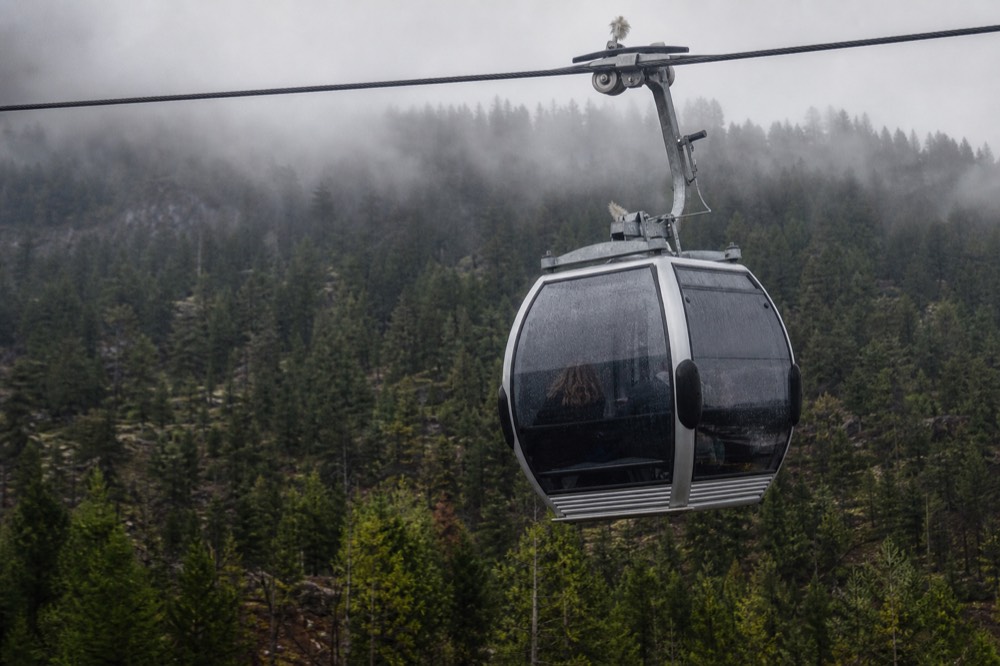
| Factor | Cogwheel railway (Alpnachstad side) | Cable car (Kriens side) |
|---|---|---|
| Best used for | The ascent, in clear weather | The descent, or the whole trip in cloud |
| Character | Historic, steep, open views | Fast, enclosed, two stages via Fräkmüntegg |
| Getting to the base | Boat from Lucerne's Pier 2 | Bus or tram from Lucerne to Kriens |
| Weather sensitivity | Views vanish in fog; the track still runs | Runs in most conditions |
| Extra at the base station | Lake pier, restaurant | Toboggan run and rope park at Fräkmüntegg mid-station |
SGV's stated position, quoted through the local tourism board's FAQ, is that the boats run "all year round and in all weathers," and the mountain lifts operate on their own published calendar. The practical takeaway: the lake leg is dependable, the summit leg is weather-dependent for enjoyment even when it is running. Check the forecast for the summit, not for Lucerne, before you lock a date.
Can you combine Pilatus and a Lake Lucerne cruise in one day?
Yes, and the full-day product from $203 per person (checked September 2026) is built exactly for that: cable car up from the Kriens side, cogwheel train down to Alpnachstad, and a lake cruise back to Lucerne, all on one ticket. Doing it in the reverse order, boat first, is equally valid and puts the calmer leg in the morning. The combination works because Alpnachstad is a pier as much as a station; the mountain and the lake were connected by design, not by accident.
A realistic day looks like this:
| Time | Leg | Notes |
|---|---|---|
| Morning | Boat from Lucerne's Pier 2 to Alpnachstad | Roughly 1.5 hours on the water |
| Late morning | Cogwheel railway to the summit | The steepest cogwheel climb in the world |
| Midday | Summit time: platforms, ridge walk, lunch | Two to three hours is comfortable |
| Afternoon | Descent by cable car to Kriens, or reverse your route | The Fräkmüntegg toboggan adds an hour |
| Late afternoon | Boat or land transfer back to Lucerne | Check the last sailings in shoulder season |
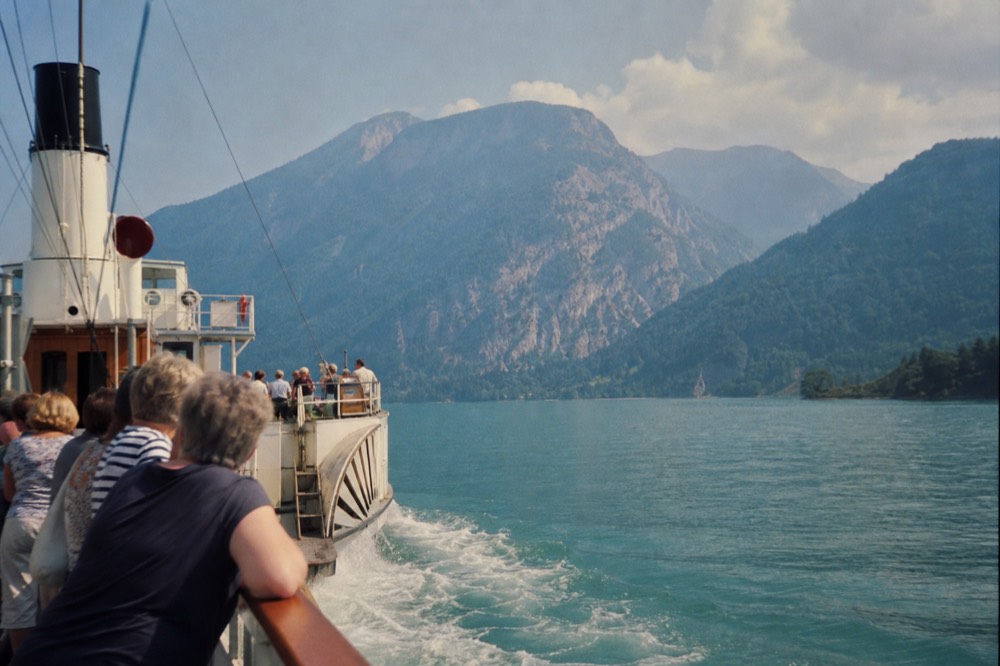
The half-day Golden Round Trip format from $147 per person (checked September 2026) covers the same loop in a compressed window, and it suits travellers who want the evening free for the old town. The full-day version suits anyone who wants to slow down, break the descent at Fräkmüntegg, or spend longer over the summit views. Whichever you pick, the cruise leg is not a shuttle: the crossing to Alpnachstad passes some of the lake's most photographed shoreline, and sitting outside for it is the right call in any month with daylight.
If the mountain sells out or the forecast collapses, the lake alone still delivers. The 1-hour catamaran cruise, rated 4.4 across 1,467 reviews and priced from $37 per person (checked September 2026), keeps you on the water, and the steamboat dinner experience from $682 per person (checked September 2026) turns a weathered-off afternoon into an evening, though its 5.0 rating rests on just 3 reviews, a small sample worth treating as such.
When is the best time of year to do Pilatus from Lucerne?
The core season for the full Pilatus-and-lake combination runs 23 May to 6 September 2026, when the summer timetable puts the full fleet on the water, with the autumn transition timetable from 7 September to 18 October 2026 offering a workable but thinner window (checked September 2026). Outside those bands the loop still functions in reduced form, but you are piecing together fewer departures and shorter summit access.
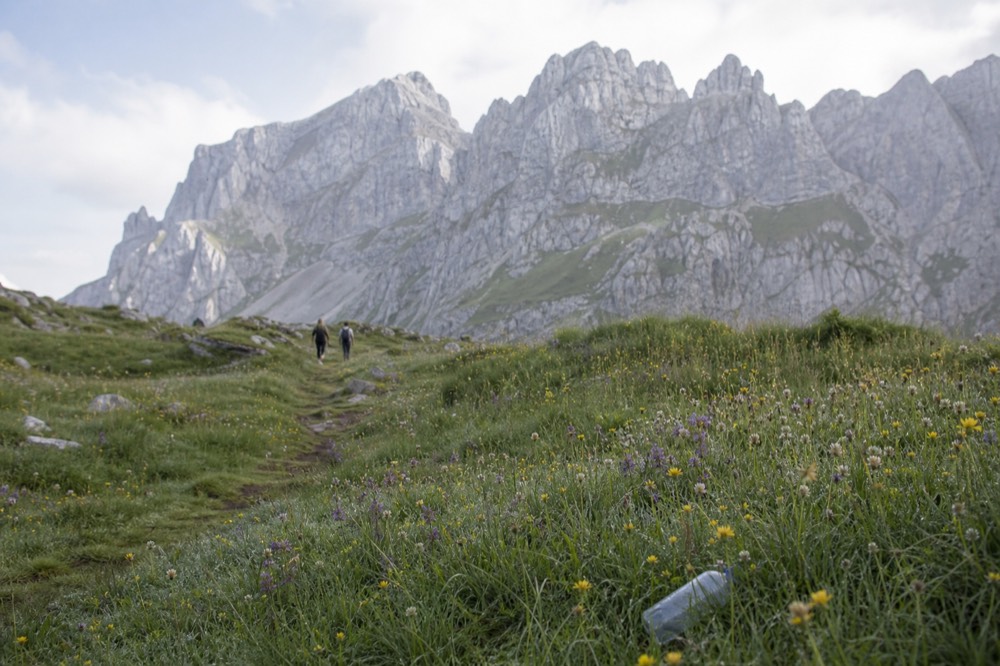
June and September are the connoisseur months. June brings snow still clinging in the summit's shaded gullies, waterfalls at full volume on the railway side, and meadows at their greenest. September brings stable high-pressure spells, thinner crowds after the school holidays, and the first tints of autumn on the lake's deciduous slopes. July and August give you the longest days and the most departures, but also the busiest boats and a summit that can be far colder than Lucerne, so pack a layer even when the city feels like summer.
Our best month to visit Lucerne piece covers the city-wide picture, including the rainfall patterns that decide mountain visibility more than temperature does.
What should you know before booking a Pilatus trip?
Book the full-day combination early, because the live listing carries a "Likely to sell out" flag, confirm your pier the night before, and know that the packaged prices sit above walk-up lake fares while covering the mountain lifts the raw boat ticket does not. Those three facts prevent most of the disappointments we hear about.
On passes: holding a Swiss Travel Pass, a Tell-Pass or the Lucerne Travel Pass changes the arithmetic, because the boat legs are covered and you are effectively paying only for the mountain lifts inside a packaged product. The packaged Pilatus tickets do not always deduct pass value automatically, so check the listing's terms before assuming a discount. On refunds: SGV's own site does not publish a separate, easy-to-find cancellation policy page, and we flag that as a genuine gap rather than guessing; the individual listing's stated cancellation terms are the document that governs your booking, so read them there. This site, Boat Cruises Lake Lucerne, exists precisely to keep those gaps honest rather than papered over.
On weather: a summit in cloud is still a summit, but it is a different product. If the forecast is bad, a glass-sided cruise is the better day. The panorama yacht Saphir, rated 4.6 across 1,961 reviews and priced from $41 per person (checked September 2026), keeps the views coming regardless of the sky, and it makes a graceful Plan B that still uses the lake.
On timing your arrival: Bahnhofquai, the main hub, sits directly opposite Lucerne's train station, and Pier 2, the Alpnachstad departure point, is a short walk along the quay. Arrive twenty minutes early in July and August, when boarding queues form for the most popular sailings. And if you are building a longer Switzerland itinerary around the water, our comparison of which cruise is best in Switzerland places the Pilatus loop in a national context.
One last planning note for the private option: a private boat tour with fondue and sightseeing is listed from $1,115 per person (checked September 2026), but that wording is the listing's own literal phrasing for a private charter for up to 4 guests, so treat it as a charter price context, not a solo traveller's fare. A shorter two-hour private charter runs from $545 per group for up to 8 guests (checked September 2026). Neither includes the mountain; both are lake-only propositions.
A Pilatus day from Lucerne costs from $147 per person in the half-day Golden Round Trip format or from $203 per person as the full-day cable car, cogwheel train and lake cruise combination (checked September 2026), with the boat leg covered by the Swiss Travel Pass, the Tell-Pass and other regional passes. The details below cover the remaining practical questions.
Common questions about Mount Pilatus from Lucerne
How do you get from Lucerne to Mount Pilatus?
Three connected systems do the job: a boat from Lucerne's Pier 2 across the lake to Alpnachstad, the cogwheel railway from Alpnachstad to the summit, and cable cars from Kriens on the city's western edge. The Golden Round Trip uses all three in one loop.
How much does the Pilatus Golden Round Trip cost?
The half-day Golden Round Trip format from Lucerne is sold from $147 per person (checked September 2026). The full-day cable car, cogwheel train and lake cruise combination runs from $203 per person (checked September 2026).
Is the cogwheel railway or the cable car better for Pilatus?
The cogwheel railway is the spectacular one, the steepest cogwheel railway in the world. The cable car is faster and better in poor visibility. Most visitors ride the railway up and the cable car down.
Can you combine Pilatus with a Lake Lucerne cruise in one day?
Yes. The full-day product from $203 per person (checked September 2026) bundles the cable car, the cogwheel train and the lake cruise on a single ticket, with the cruise leg running through the 2026/27 season.
Does the Swiss Travel Pass cover the Pilatus boat?
The Swiss Travel Pass, Swiss GA pass, Lucerne Travel Pass and Tell-Pass all carry free travel on SGV boats on Lake Lucerne. The mountain lifts are separate and are not covered by the pass in the same way, so packaged Pilatus tickets may not deduct pass value automatically.
When is the best time of year to visit Pilatus from Lucerne?
The full summer lake timetable runs 23 May to 6 September 2026, with an autumn transition timetable 7 September to 18 October 2026 (checked September 2026). June and September balance good conditions against thinner crowds.